



Summary:
- Phased Degradation: Neglect moves from thermal breakdown (causing a 2%–5% fuel economy drop) to sludge formation, and finally to catastrophic metal-on-metal seizing.
- Loss of Vital Functions: Old oil stops performing its four core duties: lubricating moving parts, cooling the lower engine, cleaning out carbon soot, and maintaining cylinder compression.
- “Silent” Damage: Sludge clogs critical narrow passages like turbocharger feeds and Variable Valve Timing (VVT) solenoids long before a dashboard warning light usually appears.
- Emergency Recovery: If you are over 1,600 km past your interval, you must check levels immediately, consider a professional engine flush to dissolve sludge, and always install a fresh, high-efficiency filter.
Skipping an engine oil change doesn’t cause instant failure but it does trigger a predictable chain of damage that can quietly destroy your engine over time.
This guide details the specific outcomes of oil neglect, designed for vehicle owners who want to understand the technical risks and financial consequences of delayed maintenance.
The Role of Engine Oil: Why It Cannot Be Ignored
Engine oil is the most critical fluid in your vehicle. It performs four essential functions simultaneously:- Lubrication: Creating a microscopic film between moving metal parts (pistons, crankshaft, camshaft) to prevent friction.
- Cooling: Dissipating heat from internal components that the radiator’s coolant cannot reach.
- Cleaning: Suspending soot, carbon deposits, and metal shavings to be trapped by the oil filter.
- Sealing: Maintaining a tight seal between piston rings and cylinder walls to preserve engine compression.
How Skipping an Oil Change Damages Your Engine Over Time
The damage from skipping an oil change doesn’t happen all at once; it progresses through three distinct phases of degradation.Phase 1: Thermal Breakdown and Oxidation
As oil ages, continuous exposure to high engine temperatures (often exceeding 100°C) causes oxidation.- The Result: The oil’s molecular structure changes, causing it to thicken and lose its ability to flow. This increases “viscous drag,” forcing the engine to work harder.
- Symptom: You may notice a 2%–5% drop in fuel economy and a slight loss in throttle responsiveness.
Phase 2: Additive Depletion and Sludge Formation
Every bottle of oil contains an “additive package” including detergents, dispersants, and anti-wear agents. Once these are chemically exhausted:- Sludge Accumulation: Contaminants begin to settle, forming a thick, “tar-like” gel known as engine sludge.
- Blocked Passages: Sludge clogs the narrow oil galleries that feed critical components like the turbocharger or Variable Valve Timing (VVT) solenoids.
- Symptom: The engine may produce “ticking” or “clattering” noises, especially during a cold start.
Phase 3: Metal-on-Metal Contact and Seizing
In the final stage of neglect, the oil becomes so thick or depleted that it can no longer maintain a protective film between surfaces.- Catastrophic Failure: Friction generates extreme heat, causing metal parts to expand until they physically weld together. This is a “seized engine.”
Signs Your Engine is Suffering from Old Oil
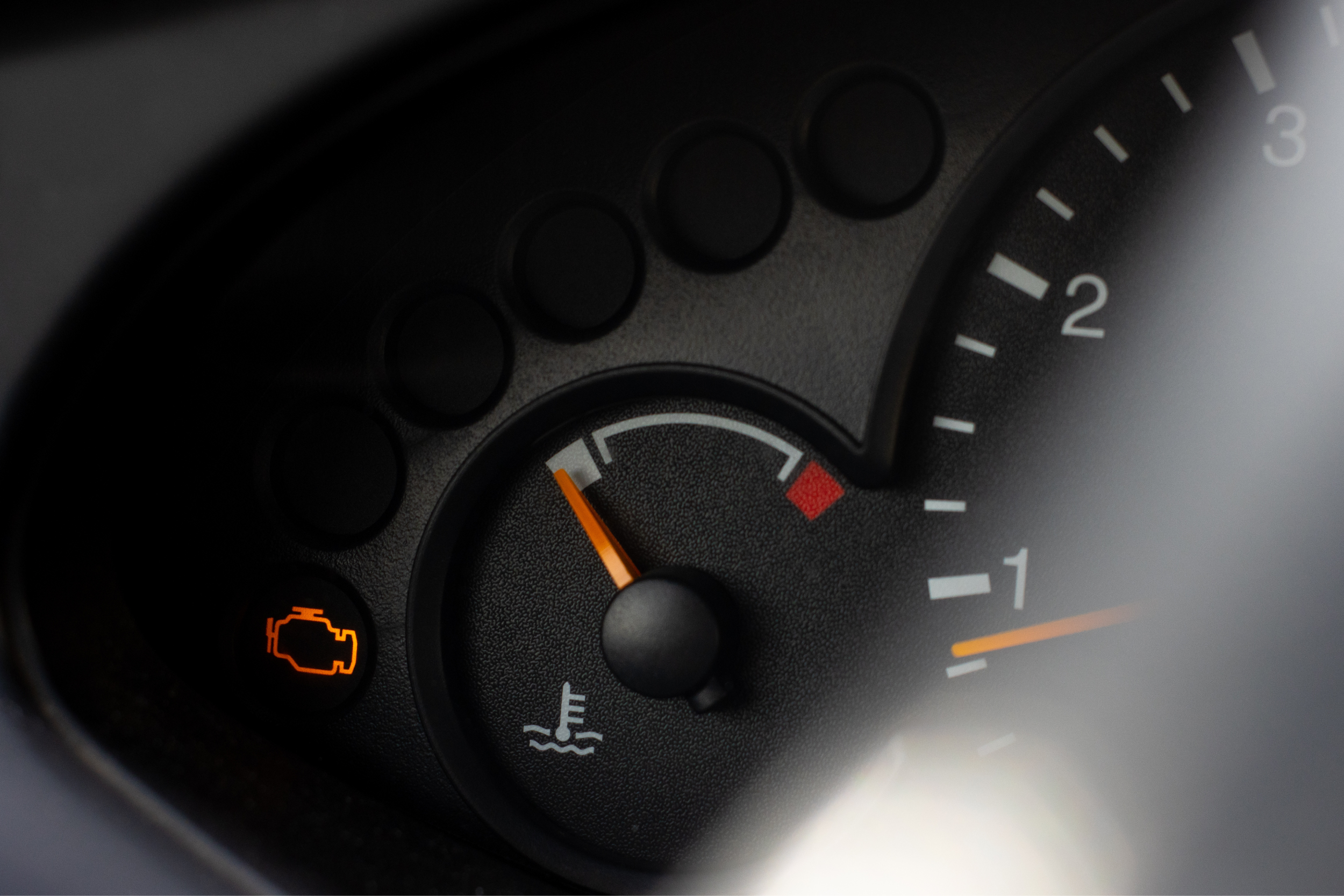
If you have missed your service interval, watch for these high-priority warning signals:- The “Oil Pressure” Warning Light: This is an emergency indicator. Stop the vehicle immediately; it often means there is a blockage or the oil level is critically low.
- Gritty Texture on the Dipstick: If the oil feels abrasive or like “liquid sandpaper,” it is saturated with metal shavings and carbon.
- Blue Exhaust Smoke: Indicates that oil has degraded so much it is bypassing seals and burning inside the combustion chamber.
- Acrid or Burnt Smell: A sign that the oil is no longer dissipating heat and is physically scorching inside the engine.
How to Recover from a Missed Oil Change
If you realize you are 1,000+ miles (1,600+ km) past your interval, follow this recovery framework:- Step 1: Check the Dipstick Immediately. Ensure the level is at least at the “Minimum” mark. If it’s low, top it up with the correct grade (e.g., 5W-30) before driving to a service center.
- Step 2: Use a High-Detergency Synthetic Flush. If you suspect sludge buildup, an authorized partner like Saeedi Pro can perform a professional engine flush to dissolve deposits safely.
- Step 3: Replace the Filter. A skipped oil change usually means a saturated oil filter. Always use a high-efficiency synthetic media filter for the next cycle.


